BLACKGENRE
Music
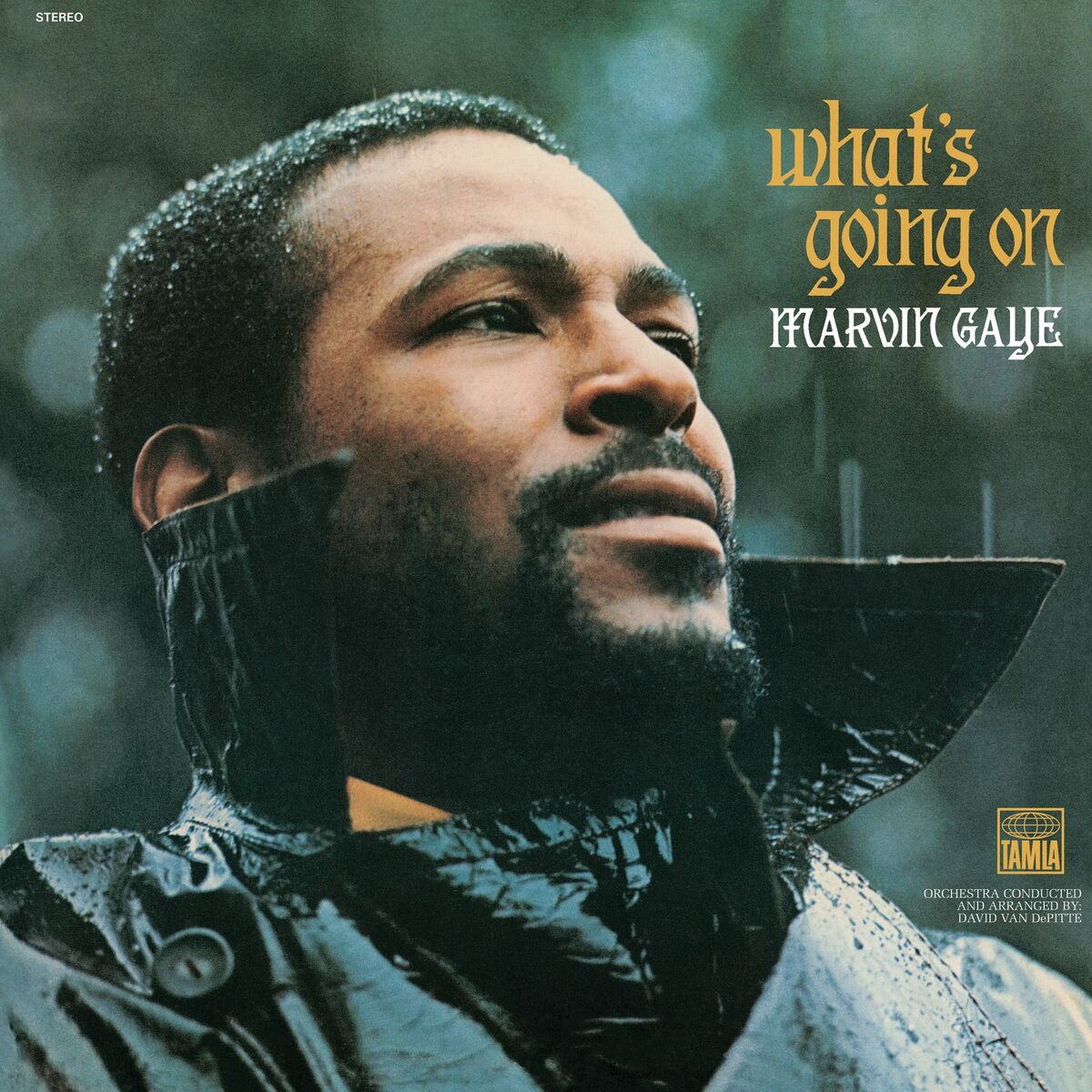
Marvin Gaye — What’s Going On album cover
Tamla

What’s Going On

Marvin Gaye

Album · May 20, 1971 · Tamla Motown · 9 tracks

SoulR&BMotownProgressive Soul
Cultural Reception

Intelligence Brief

Released May 21, 1971, on Motown’s Tamla imprint, What’s Going On marked Gaye’s move toward greater creative control and socially focused songwriting after his 1960s crossover hits. Its jazz, gospel and Afro-Caribbean influences framed songs about war, racism and poverty, with David Van dePitte arranging and conducting and Four Tops member Renaldo Benson and Al Cleveland co-writing the title track with Gaye. Classic Motown documents three consecutive pop Top 10 singles from the album: What’s Going On, Mercy Mercy Me (The Ecology) and Inner City Blues (Make Me Wanna Holler).

The numbers

UK Official Albums Chart peak

#56

11 weeks on chart

Source · officialcharts.com

Figures are reported source snapshots, not a live feed or audit. Anything not shown has not been recorded from a source.

Cultural Reception

3 sourced perspectivesSelected criticism, not a consensus

Sources checked Oct 23, 2026

Slant Magazine

Review: Marvin Gaye, What’s Going On

By Eric Henderson

Henderson argues that Gaye makes political consciousness unusually intimate through his tender delivery and the album’s connected songs. He also finds the second side’s extended performances and string arrangements less focused, hearing the conclusion as a retreat toward despair.

The intelligence takeaway

This reading supplies a qualified assessment rather than uncomplicated canonization. It helps distinguish the effectiveness of Gaye’s emotional approach from questions about pacing and arrangement.

Read the original perspective

Editorial paraphrase and interpretation by BlackGenre, not a quotation or endorsement.

What emerges across these readings

Across these readings, What’s Going On makes public crisis intimate through grief, spiritual searching and musical tenderness rather than certainty or confrontation. The useful tension is between its coherence as a social statement and its refusal to resolve suffering: even its flowing arrangements can suggest either communal connection or emotional exhaustion.

Audience reception

Not measured. Published criticism does not stand in for audience sentiment, and a publication cannot represent an entire community.

Evidence boundaries

A curated sample of 3 articles about this release—not exhaustive coverage, a score, or proof of impact. These sources do not establish rights, equity or ownership.