BLACKGENRE
Music
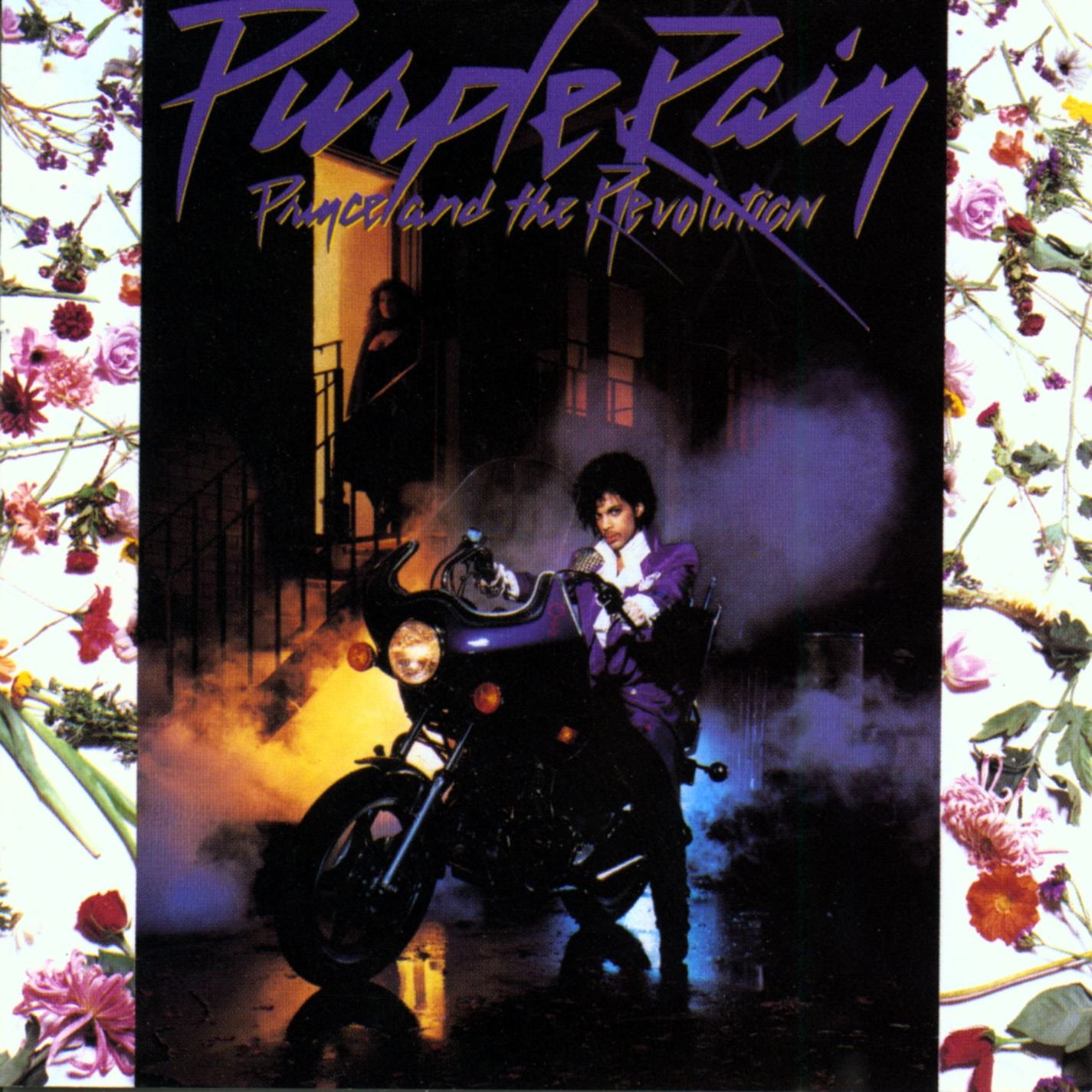
Prince and The Revolution — Purple Rain album cover
Warner Bros.

Purple Rain

Prince and The Revolution

Album · June 25, 1984 · Warner Bros. Records · 9 tracks

FunkPopPop RockRock
Cultural Reception

Intelligence Brief

Released by Warner Bros. Records in 1984, Purple Rain followed 1999 and served as the soundtrack to Prince’s film of the same name; Prince’s official discography documents its 24 weeks at No. 1 on the Billboard 200. A Library of Congress essay details the Revolution’s participation on five of nine tracks, including contributions from Wendy Melvoin and Lisa Coleman, with the basic recordings for I Would Die 4 U, Baby I’m a Star and Purple Rain drawn from an August 1983 First Avenue performance in Minneapolis.

The numbers

Billboard 200 peak

#1

Source · rhino.com

Certification

13× Multi-Platinum (RIAA)

Source · riaa.com

Figures are reported source snapshots, not a live feed or audit. Anything not shown has not been recorded from a source.

Cultural Reception

3 sourced perspectivesSelected criticism, not a consensus

Sources checked Oct 23, 2026

Pitchfork

Purple Rain

By Carvell Wallace

Wallace reads the album’s movement through rock, soul, funk and synth-pop as a refusal of genre boundaries that preserves Prince’s funk foundations. He also hears vulnerability replacing some of the distance of Prince’s earlier persona.

The intelligence takeaway

This reading connects musical versatility to the constraints of racialized genre categories, rather than treating stylistic range as merely technical accomplishment.

Read the original perspective

Editorial paraphrase and interpretation by BlackGenre, not a quotation or endorsement.

What emerges across these readings

These readings expose a tension between Purple Rain as an expansion of Prince’s expressive possibilities and as a disciplined narrowing of his eccentricity into pop form. Their disagreement turns on whether its cohesion and rock vocabulary dissolve musical boundaries or make his contradictions more orderly.

Audience reception

Not measured. Published criticism does not stand in for audience sentiment, and a publication cannot represent an entire community.

Evidence boundaries

A curated sample of 3 articles about this release—not exhaustive coverage, a score, or proof of impact. These sources do not establish rights, equity or ownership.