BLACKGENRE
Music
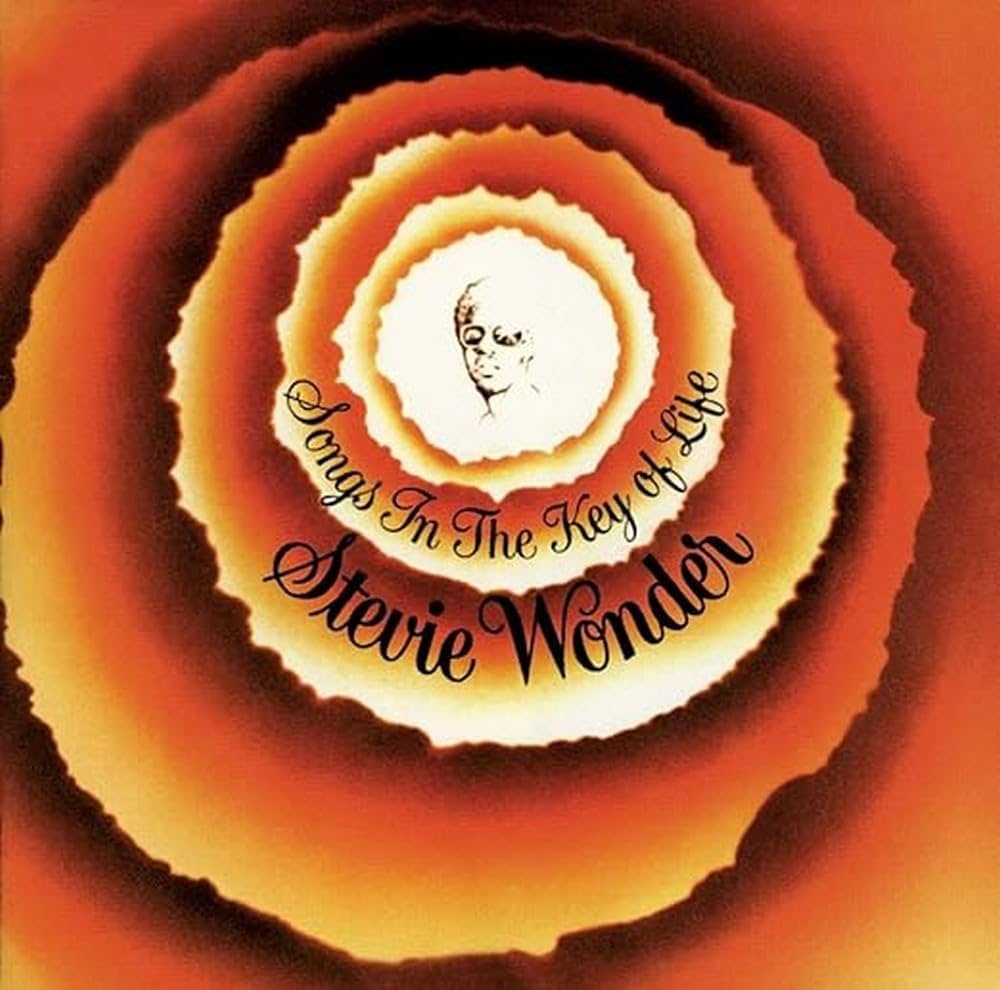
Stevie Wonder — Songs in the Key of Life album cover
Motown Records

Songs in the Key of Life

Stevie Wonder

Album · September 28, 1976 · Motown · 21 tracks

SoulContemporary R&BPop SoulFunk
Cultural Reception

Intelligence Brief

Released in 1976 through Motown’s Tamla imprint, Songs in the Key of Life followed Fulfillingness’ First Finale and expanded Stevie Wonder’s catalog with a double LP and four-song bonus EP. Collaborators included Herbie Hancock on Fender Rhodes for As, George Benson on guitar for Another Star, and Minnie Riperton and Deniece Williams on backing vocals for Ordinary Pain. According to Motown’s retrospective, the album debuted at No. 1 on Billboard’s album chart and spent 14 weeks at the top.

The numbers

Billboard 200 peak

#1

82 weeks on chart

Source · abcnews.com

Certification

10× Multi-Platinum (RIAA)

Source · riaa.com

Figures are reported source snapshots, not a live feed or audit. Anything not shown has not been recorded from a source.

Cultural Reception

4 sourced perspectivesSelected criticism, not a consensus

Sources checked Oct 23, 2026

Pitchfork

Songs in the Key of Life

By Alan Light

Light reads the album as a panoramic account of Black American experience and a corrective to the triumphalist history surrounding the American bicentennial. Its stylistic variety and abundant melodic invention serve a coherent artistic vision rather than merely displaying versatility.

The intelligence takeaway

This reading connects musical ambition to historical representation, offering a framework beyond the familiar celebration of Wonder’s individual genius.

Read the original perspective

Editorial paraphrase and interpretation by BlackGenre, not a quotation or endorsement.

What emerges across these readings

Across these readings, the album’s breadth becomes an argument about what soul music can hold together: domestic intimacy, spiritual conviction, historical memory and social criticism. The central disagreement concerns whether its extended songs and explicit moral instruction deepen that vision or weaken it through repetition and didacticism.

Audience reception

Not measured. Published criticism does not stand in for audience sentiment, and a publication cannot represent an entire community.

Evidence boundaries

A curated sample of 4 articles about this release—not exhaustive coverage, a score, or proof of impact. These sources do not establish rights, equity or ownership.