BLACKGENRE
Sports Intelligence
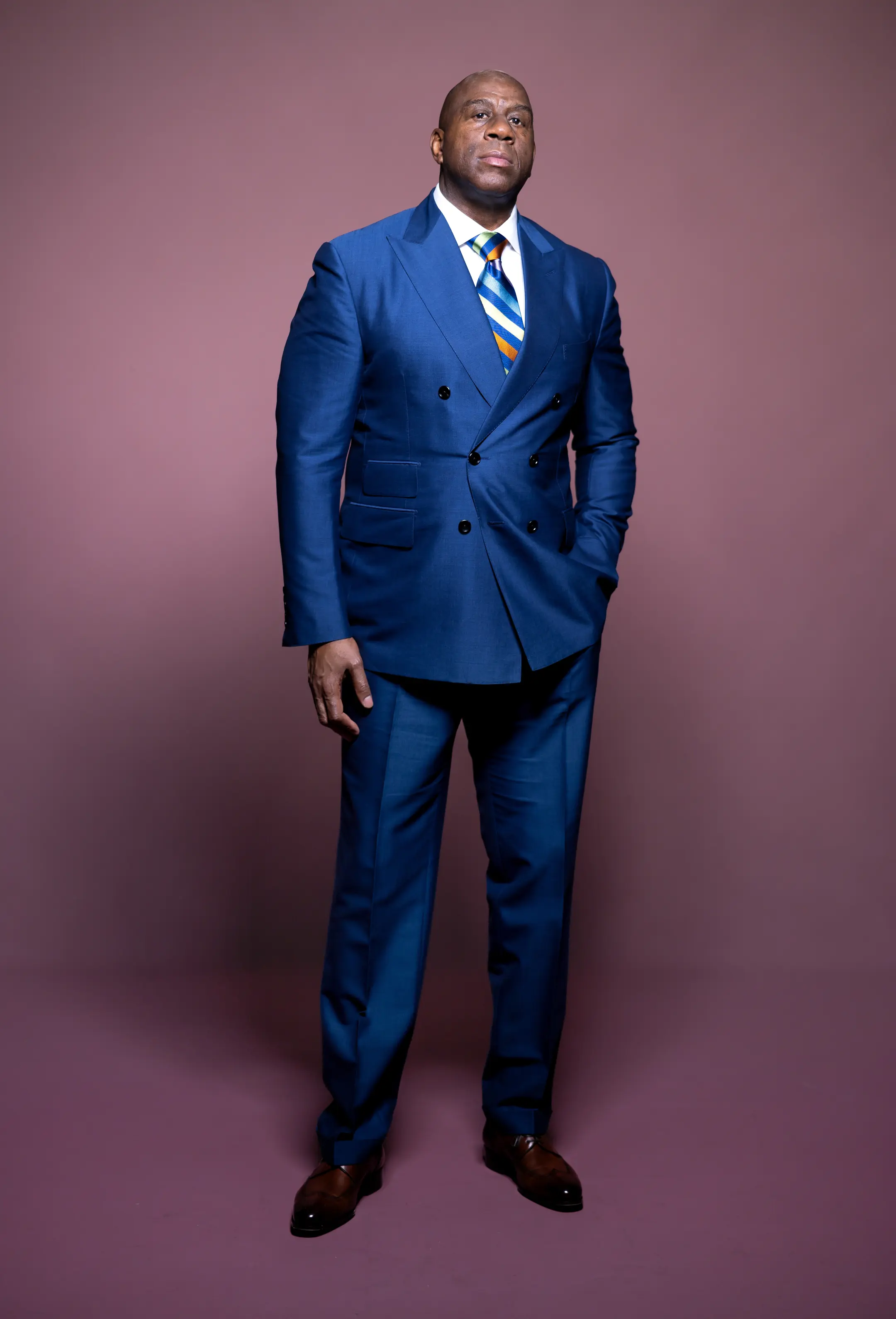
Photo of Earvin “Magic” Johnson
Photo: Magic Johnson

Earvin “Magic” Johnson

Basketball (NBA)

Born
August 14, 1959
Teams
Los Angeles Lakers

Five-time NBA champion with the Los Angeles Lakers who became one of the most documented athlete-to-owner careers in American sport.

Intelligence Brief

Magic Johnson’s post-playing career is the earliest complete blueprint for an athlete converting fame into documented institutional ownership: a 50/50 Starbucks partnership, a theater joint venture with Sony, and seats in the ownership groups of the Dodgers, Sparks and Commanders. The record shows what is documented—group memberships, deal values, approval votes—and what remains private: his exact equity share in each group. This example separates the two, and never treats a headline deal value as personal wealth.

Sources checked 2026-10-23

Ownership & equity map

Los Angeles Dodgers · MLB

Documented stake

2012 – present

Johnson is a part-owner through Guggenheim Baseball Management, which closed a $2 billion purchase of the club and stadium in May 2012. Mark Walter is the controlling partner; Johnson holds a public-facing ownership role.

His exact equity percentage inside the group has never been publicly disclosed.

MLB.com · Dodgers sale to Guggenheim Baseball Management closed

Los Angeles Sparks · WNBA

Terms not disclosed

2014 – present

An investment group led by Johnson and Mark Walter bought the Sparks in February 2014, keeping the franchise in Los Angeles. The WNBA and NBA Board of Governors unanimously approved the purchase.

The sale price and terms were not released, so the size of each partner’s stake is unknown.

ESPN / AP · Magic Johnson buys Sparks, keeps WNBA team in LA

Urban Coffee Opportunities · Starbucks partnership

Documented · since exited

1998 – 2010

A rare 50/50 partnership between Johnson Development Corp. and Starbucks opened more than 100 coffeehouses in underserved neighborhoods. Starbucks acquired the remaining interest in October 2010.

The 50/50 structure is documented; the financial terms of the 2010 buyout were not disclosed by the partners.

Nation’s Restaurant News · Starbucks, Magic Johnson end urban coffee partnership

Magic Johnson Theatres · Sony/Loews partnership

Documented · since exited

1994 – 2000s

Johnson Development Corp. partnered with Sony Theatres on a 12-screen multiplex in Baldwin Hills Crenshaw Plaza, the first of a planned chain serving underserved minority neighborhoods.

The joint venture is documented; the chain later passed to Loews Cineplex and AMC, and Johnson’s exit terms are not public.

Los Angeles Times · Magic Johnson, Sony to Open 12-Screen Theater in Baldwin Hills

Los Angeles Lakers · NBA

Documented · since exited

1994 – 2010

Johnson sold his roughly 4.5% ownership stake in the Lakers in October 2010, reported at about $27 million, alongside the Starbucks divestiture.

The reported sale figure comes from an anonymous source cited by the Los Angeles Times; the exact terms were not officially disclosed.

The Seattle Times · Magic Johnson sells stake in 105 Starbucks cafes

Evidence boundaries. Net-worth estimates, private deal terms and undisclosed equity percentages are excluded by design. A documented group membership proves participation—never the size of an individual’s equity, control rights or returns.

3 sourced perspectivesSelected criticism, not a consensus

Sources checked Oct 23, 2026

Los Angeles Times

Stars on the Field Must Own Up to Failure Off It

By Sally Jenkins

Jenkins questions the assumption that superstar athletes naturally become successful investors, arguing that audiences confuse talent with business intellect and that due diligence matters more than celebrity.

The intelligence takeaway

A necessary counterweight: it insists that an athlete’s name on a deal is the start of an inquiry, not proof of sound ownership. Applied here, it is why each holding above is tied to a document rather than a reputation.

Read the original perspective

Editorial paraphrase and interpretation by BlackGenre, not a quotation or endorsement.

What emerges across these readings

These readings disagree in a useful way. Jenkins warns that athletic fame is not evidence of business judgment; McCoy documents the structural barriers that have kept Black former players from majority ownership; Carson describes the repeatable model Johnson built by serving neighborhoods other investors ignored. Together they frame what to verify about athlete ownership—not a verdict on any one fortune.

Audience reception

Not measured. Published criticism does not stand in for audience sentiment, and a publication cannot represent an entire community.

Evidence boundaries

A curated sample of 3 articles about this athlete—not exhaustive coverage, a score, or proof of impact. These sources do not establish rights, equity or ownership.